Who Installs Baseboards? Why a Trim Carpenter is the Right Trade
If you are renovating your home and wondering who installs baseboards, the most appropriate trade is a trim carpenter or finish carpenter. Baseboards are part of the wider finish-carpentry package inside a home, along with casing, crown moulding, shoe molding, wainscoting, panel molding, architectural trim and interior doors.

Why Baseboard Installation Is Finish Carpentry
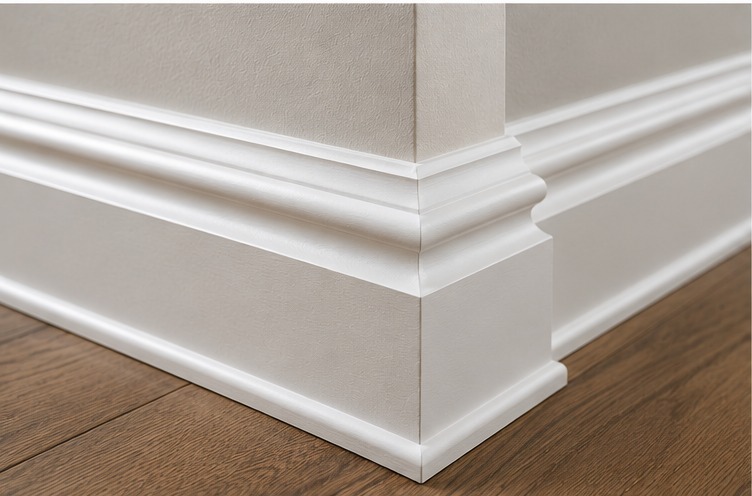
Baseboards cover the transition between the wall and floor, but their visual role is much larger. They create a continuous architectural line around a room and connect directly with door casing, flooring, stairs and other trim elements.
Other contractors may sometimes offer basic baseboard installation as part of another project. But when accurate fitting, clean corners, consistent transitions and coordination with the rest of the interior trim matter, a professional trim carpenter is the specialist for the job.
For homeowners looking for a professional trim carpenter in Toronto and the GTA, it helps to think of baseboards as one component of a complete interior trim system rather than simply a strip of moulding installed along the floor.
A trim carpenter considers:
- Baseboard height and thickness
- Moulding profile
- Inside and outside corners
- Door casing
- Flooring conditions
- Long-wall joints
- Stair transitions
- Existing architectural trim
- Wall and floor irregularities
- The proportions of the room
These details matter because homes are rarely perfectly square. Drywall can bow, floors can rise or fall slightly and corners may not measure exactly 90 degrees. Finish carpentry involves recognizing those conditions and fitting the moulding to the home rather than assuming every surface is perfect.
What Makes Professional Baseboard Installation Different?
A successful baseboard installation should look simple when it is finished. That simplicity usually comes from careful work at the places where individual pieces meet.
Inside Corners
Inside corners can expose poor fitting quickly when walls are not perfectly square. Small variations can create noticeable gaps if the trim is cut only to an assumed angle rather than fitted to the actual conditions.
Outside Corners
Outside corners are even more visible because a small error can leave an open mitre. Accurate measuring and fitting are especially important on prominent corners in hallways, kitchens and main living areas.
Long Walls
Long rooms may require more than one piece of baseboard. Where those pieces join—and how the connection is made—affects how noticeable the joint will be once the installation is complete.
Uneven Walls and Floors
Renovations frequently reveal irregularities that were hidden by the previous trim. An experienced trim carpenter makes adjustments so the baseboard reads as one consistent architectural line instead of emphasizing variations in the wall or floor.
Baseboards and Door Casing Need to Work Together
One of the most important relationships in a trim package occurs where the baseboard meets the casing surrounding a door.
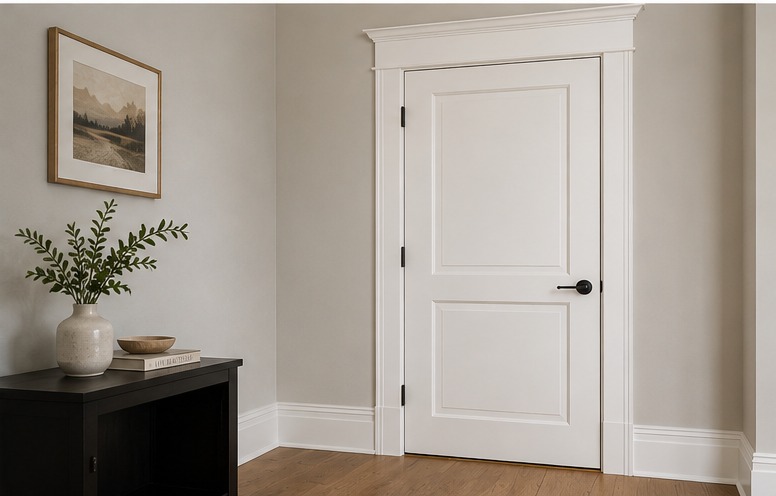
The dimensions of both mouldings matter. A thick baseboard meeting much thinner casing can create an awkward transition, while a very tall baseboard paired with undersized casing may look visually unbalanced.
This is one reason baseboards should not always be selected in isolation. When several types of trim are being replaced, the baseboard, casing and interior doors should be considered together so their proportions and transitions make sense throughout the home.
Where Does Shoe Molding Fit In?
Shoe molding is a smaller profile that can be installed where the bottom of a baseboard meets the finished floor.
It may be useful where a project needs an additional finished transition at the floor line or where minor variations exist along the flooring. It is not automatically necessary in every room.
The decision depends on the flooring, baseboard profile and overall design of the space. Shoe molding should complement the trim rather than become a substitute for careful fitting.
Baseboards Are Part of a Larger Trim Package
Homeowners often begin with a specific search such as “who installs baseboards?” because baseboards are one of the most visible trim elements in a renovation. But the same finish-carpentry principles extend throughout the home.
Door and Window Casing
Casing frames openings and creates the transition between walls, doors and windows. Because baseboards terminate directly against door casing, those two elements need to be coordinated.
Crown Moulding
Crown moulding creates an architectural transition between the walls and ceiling. Like baseboards, it needs to work with rooms that may not be perfectly square. Corners, ceiling changes and longer runs all require careful fitting.
Wainscoting and Panel Molding
Wainscoting and panel molding introduce another important finish-carpentry skill: layout. Panel dimensions need to work with the wall while accounting for doors, windows, stairs, electrical devices and other fixed elements.
Architectural Trim
Architectural trim can include decorative wall details, openings, transitions and custom elements beyond standard moulding installation. These features work best when they are planned as part of the room rather than added independently.
For a broader industry reference, the North American Architectural Woodwork Standards published through AWMAC provide technical standards relating to architectural woodwork manufacturing and installation.
Why Interior Door Hanging Is Part of Finish Carpentry
Interior doors are closely connected to the surrounding trim package.
A door needs to operate properly, but professional installation also involves alignment, consistent reveals, hardware placement, jamb conditions and the casing installed around the opening.
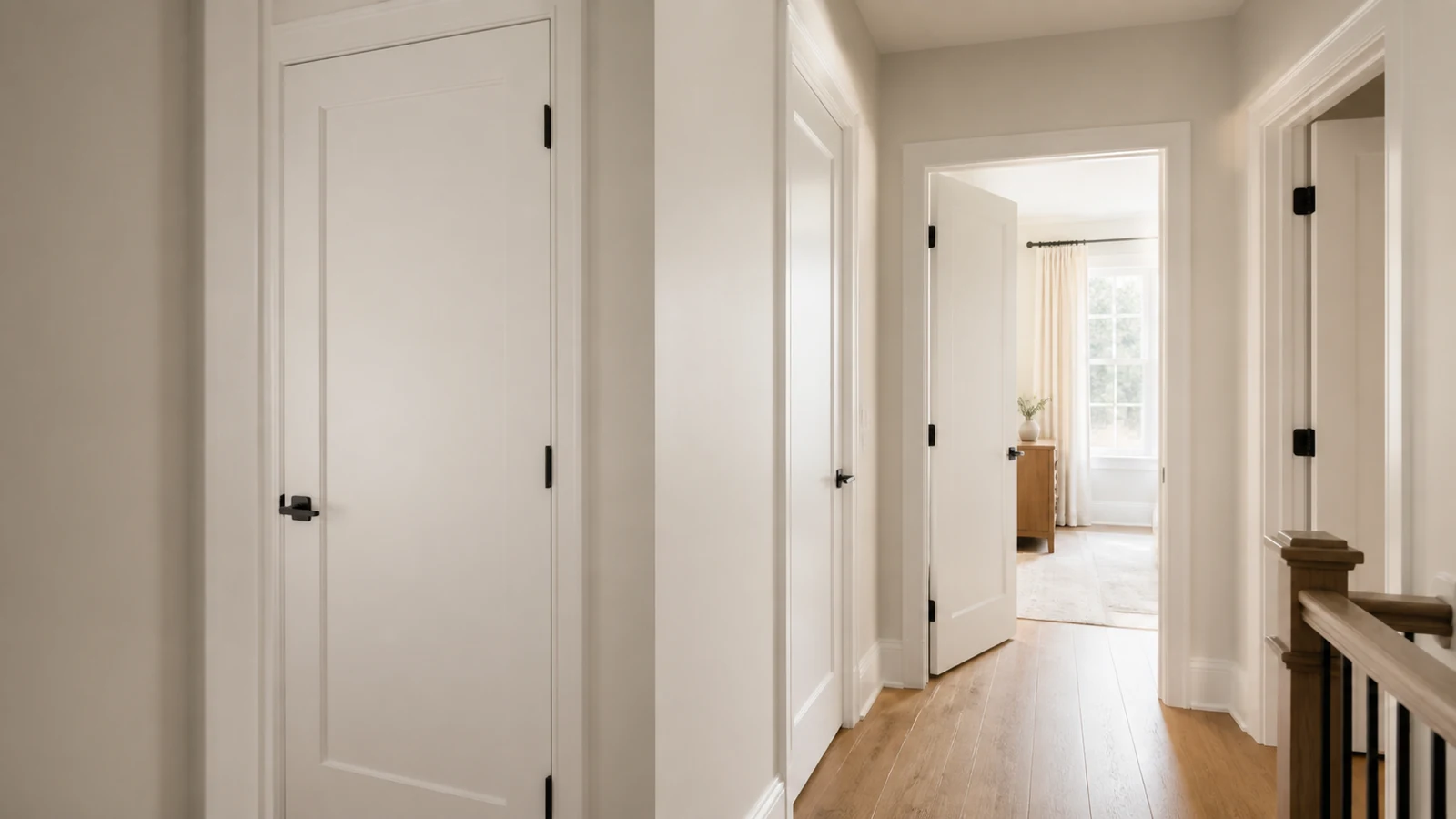
Interior door hanging and installation can include prehung interior doors, slab doors, single and double doors, closet doors and replacement interior doors, depending on the opening and project.
The surrounding casing then has to transition properly into the baseboards. When doors, casing and baseboards are being updated together, planning the work as one finish-carpentry scope can create a more consistent result from room to room.
Can a Handyman Install Baseboards?
For a small repair or limited installation, a handyman may be able to install basic baseboard. Replacing a short damaged section is different from installing mouldings throughout an entire floor, dealing with multiple door openings, matching new trim to existing work or coordinating baseboards with other architectural details.
As the project becomes more detailed, the value of a dedicated trim carpenter becomes greater because trim and finish carpenters specialize in the visible details that remain after the renovation is complete.
Can a Flooring Contractor Install Baseboards?
Some flooring contractors also offer baseboard installation because existing mouldings are often removed when flooring is replaced.
For a straightforward flooring project with simple trim, that arrangement may be practical. A larger trim project, however, may involve new casing, larger moulding profiles, interior doors, stairs, crown moulding or architectural wall details. At that point, a professional trim carpenter is working within the trade that specializes in how those elements fit together.
Who Should Install Baseboards During a Full Renovation?
When several finish details are changing at the same time, it can make sense for one trim-carpentry contractor to handle the related scope.
That scope may include:
- Baseboards
- Shoe molding
- Door and window casing
- Crown moulding
- Wainscoting
- Panel molding
- Architectural trim
- Interior door hanging
- Custom millwork
These elements frequently intersect. Changing baseboard thickness affects how it meets door casing. Replacing interior doors can change jamb and casing requirements. Adding wall trim requires consideration of existing openings and mouldings.
A coordinated trim package addresses those relationships before they become installation problems.
What Should You Look for in a Trim Carpenter?
If your project involves more than a very small baseboard repair, look beyond whether a contractor simply lists baseboard installation as one of many services.
Consider whether trim and finish carpentry are a core part of the work they perform and whether they understand how baseboards relate to doors, casing, flooring, crown moulding, wall trim, stairs and existing architectural details.
The objective is not merely to fasten individual pieces of moulding to the wall. The objective is to make the completed trim appear consistent throughout the space.
Who Installs Baseboards in Toronto and the GTA?
If you are searching for who installs baseboards in Toronto or the GTA, a trim carpenter or finish carpenter is the trade most directly associated with professional interior moulding installation.
Miter5 Fine Carpentry specializes in trim and finish carpentry, custom millwork and cabinetry for residential projects throughout Toronto and the Greater Toronto Area.
Baseboards are one component of that broader work. Depending on the renovation, the finish-carpentry scope can also include casing, interior doors, crown moulding, wainscoting, panel molding and architectural trim.
Homeowners whose project is specifically focused on replacing or installing baseboards can review Miter5's baseboard installation services in Toronto and the GTA for information dedicated to that particular type of work.
Frequently Asked Questions About Baseboard Installation
What type of carpenter installs baseboards?
A trim carpenter or finish carpenter typically installs baseboards. These carpenters specialize in visible interior details such as mouldings, casing, interior doors and architectural trim.
Who should I hire to install baseboards?
For projects where the quality of the finished trim is important, a professional trim or finish carpenter is the trade most directly associated with the work.
Is shoe molding the same as baseboard?
No. Baseboard is the primary moulding installed along the bottom of the wall. Shoe molding is a smaller profile that can be installed at the bottom of the baseboard where it meets the floor.
Does a trim carpenter install interior doors?
Interior door hanging and installation commonly fall within finish carpentry because doors, jambs, casing and baseboards all need to work together around the opening.
Is a finish carpenter the same as a trim carpenter?
The terms overlap considerably in residential construction. Both commonly refer to carpenters who specialize in the visible finishing details installed inside a home.
So, Who Installs Baseboards?
A trim carpenter or finish carpenter is the professional trade most directly associated with baseboard installation.
Baseboards connect with casing, floors, stairs and doors and form part of the larger architectural language of the home. Crown moulding, wainscoting, panel molding, interior doors and other finish details rely on many of the same skills: accurate layout, careful fitting and attention to how individual elements meet.
That is why choosing a contractor who specializes in trim and finish carpentry can matter, particularly when the renovation extends beyond one simple room.
Miter5 Fine Carpentry provides professional trim and finish carpentry throughout Toronto and the GTA, along with custom millwork and cabinetry.
Planning an Interior Carpentry Project?
Whether your renovation begins with baseboards or includes interior doors, casing, crown moulding and other architectural trim, Miter5 can help you plan the finish carpentry as one coordinated interior.